 EN
 CN
 EN
 RU
 AR
 JA
 DE
 FR
 ES

Separation Solutions for
Chemical Separation
Processes
SUTONG provides engineered column internals for chemical separation processes, matching packing, trays, liquid distribution and mist elimination systems to each process duty and operating condition.
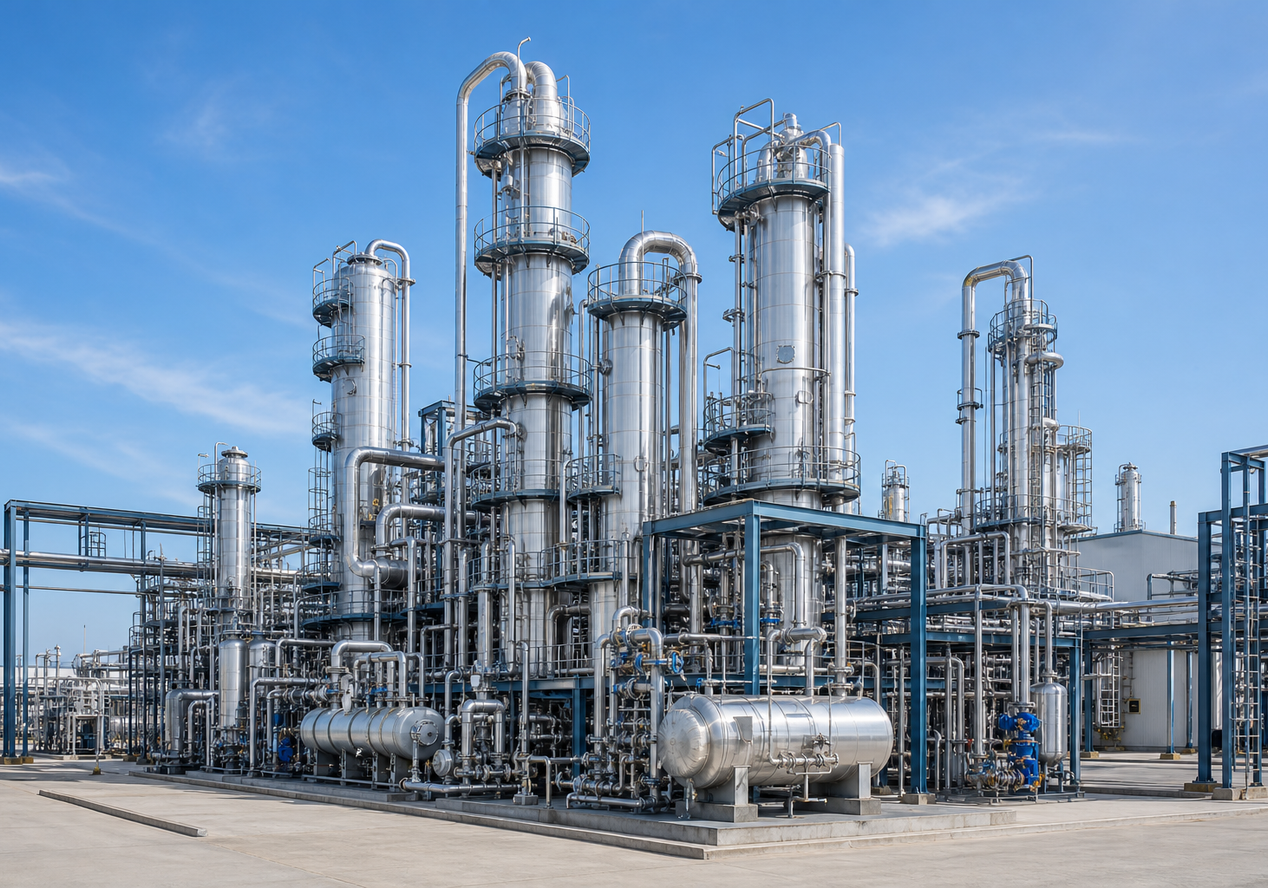
Separation Solutions for Key Chemical Processes
Improve separation with coordinated columns, packing, trays, liquid distribution and mist control matched to process and product requirements.
-
Distillation
Packing or trays provide the staged gas-liquid contact needed to separate components by volatility.
-
Absorption
Packing and liquid distribution support contact between the process gas and absorbent.
-
Stripping
Column internals help remove dissolved or volatile components from the liquid stream.
-
Extraction & Solvent Recovery
Internals support liquid-liquid extraction, solvent purification and recovery duties across chemical production.
Select Column Internals to Fit the Process
SUTONG coordinates the main contact, distribution, separation and support elements into a reliable tower internals system.
-
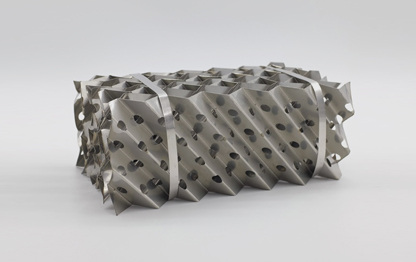
Structured Packing
Provides high surface area for mass transfer in distillation, absorption, stripping and solvent recovery.
-
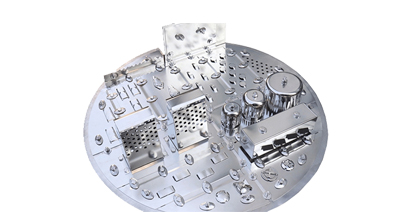
Column Trays
Support staged vapor-liquid contact where operating range, fouling behavior or process control favors tray service.
-
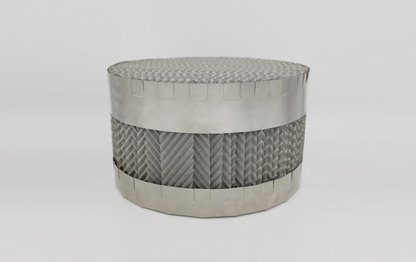
Liquid Distributors
Deliver liquid across the active bed based on tower diameter, flow rate and distribution requirements.
-
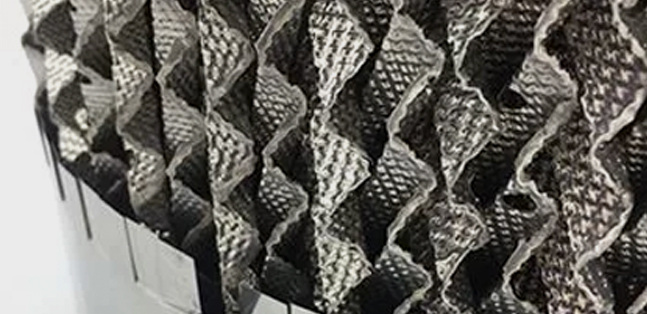
Mist Eliminators
Remove entrained droplets and support downstream equipment protection and product recovery.
Balance Separation Duty, Hydraulics and Materials
A chemical-tower configuration needs to meet the process target while fitting the mechanical and operating envelope.
-
01
Separation Target
Align the internal type and arrangement with purity, recovery, throughput and stage requirements.
-
02
Hydraulic Fit
Review vapor and liquid loads, pressure drop, turndown, available height and tower diameter.
-
03
Material Compatibility
Select materials around corrosion, temperature, process media, fouling and maintenance conditions.
Support New Towers and Existing-Unit Upgrades
Backed by 40+ years of tower-internals experience and more than 20,000 projects, SUTONG supports chemical applications from early selection through project coordination.
-
New-Build Projects
Coordinate packing or trays, distribution, support systems, mist elimination and tower geometry around the design basis.
-
Revamps & Upgrades
Work within the existing shell, support points and shutdown window to address hydraulic, separation or maintenance constraints.
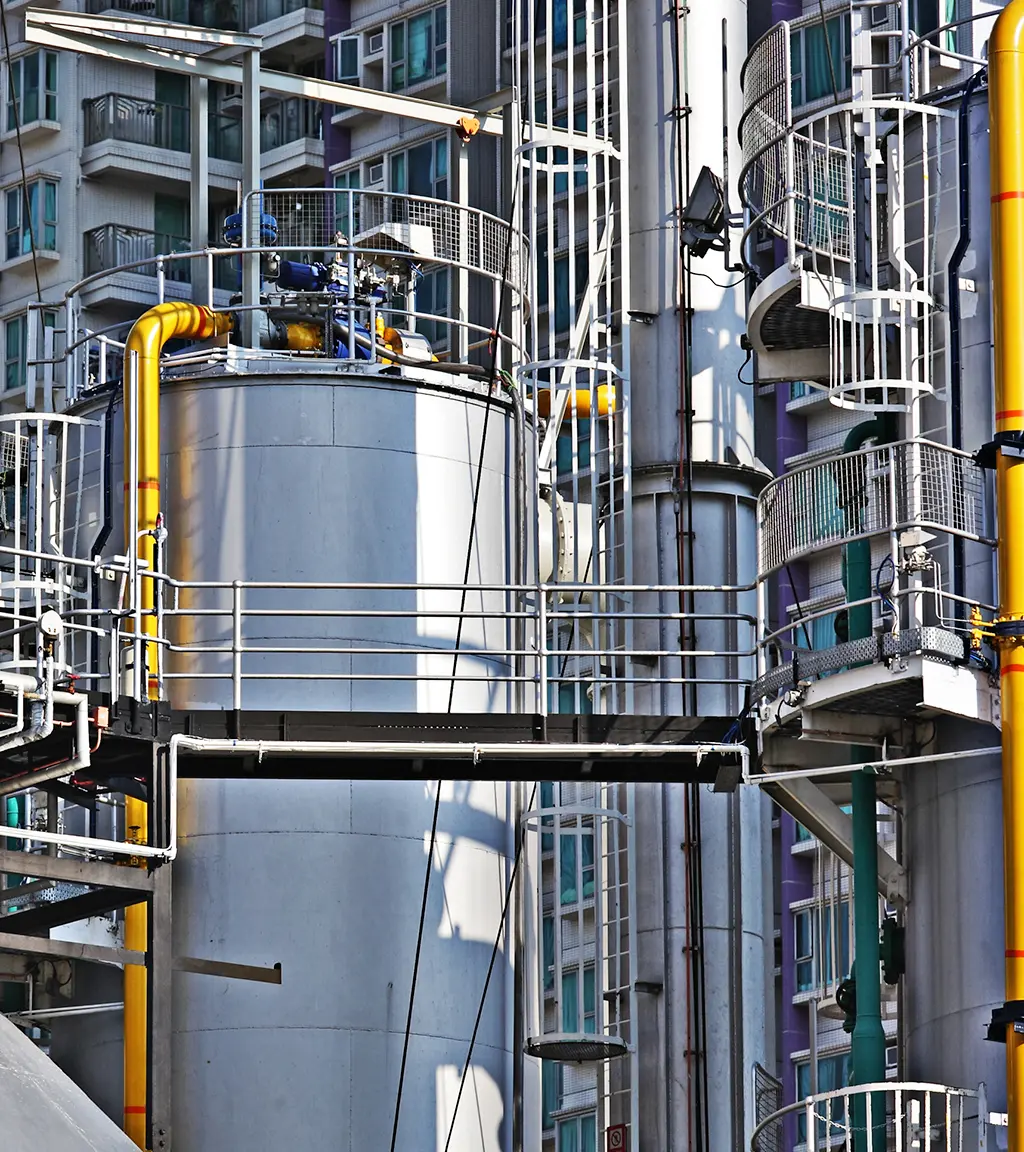
From Process Data to a Chemical-Tower Configuration
The technical discussion moves from process conditions to a coordinated internal arrangement and quotation basis.
-
Step 01
Share Process Data
Process media, composition, flow rates, temperature, pressure and product targets.
-
Step 02
Review Constraints
Hydraulic limits, pressure drop, materials, fouling, tower geometry and operating range.
-
Step 03
Develop Configuration
Compare packing or tray options and coordinate distribution, support and mist-elimination details.
-
Step 04
Confirm Interfaces
Review dimensions, materials, calculations, documentation, delivery scope and quotation requirements.
Engineer the Right Column for Your Chemical Process
From distillation and absorption to stripping and solvent recovery, our team can help balance separation performance with hydraulic stability and long-term operation.
Frequently Asked Questions
Start with the process data and tower constraints that define the separation duty.
-
What information is needed to discuss a chemical tower?
Share the process media and composition, flow rates, temperature, pressure, product targets, tower geometry and operating range.
-
How is packing or tray service selected?
Selection depends on the separation duty, hydraulic load, pressure drop allowance, fouling tendency, turndown and maintenance requirements.
-
Is technical support available before contract award?
Yes. SUTONG can provide pre-contract technical support, including calculation notes, configuration discussion and quotation options.
-
Can SUTONG support both new towers and revamps?
Yes. New-build discussions coordinate the internals with the tower design. Revamp reviews begin with the existing shell, support points, available height and shutdown constraints.
-
How are materials reviewed for chemical service?
Material selection considers process media, corrosion, temperature, mechanical requirements and the applicable project specification.
