 EN
 CN
 EN
 RU
 AR
 JA
 DE
 FR
 ES

Carbon Capture,
Utilization & Storage
Solutions
SUTONG provides tower internals and mass-transfer solutions for CO2 absorption, regeneration, scrubbing, and mist elimination across new-build and retrofit projects.
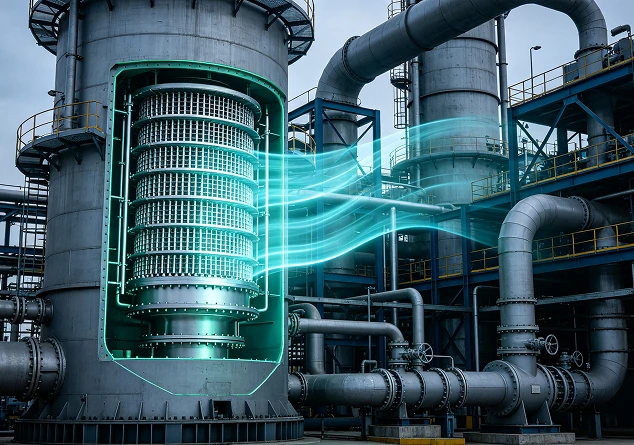
Integrated Mass Transfer for
Absorption and Regeneration
From absorption to solvent regeneration and gas treatment, each process section requires a tailored internals configuration.
-

CO2 Absorption
Structured packing and liquid distribution support consistent contact between flue gas and solvent.
-

Solvent Regeneration
Tower internals support the mass-transfer duty required to release captured CO2 and return solvent to circulation.
-

Water-Wash & Amine Recovery
Wash-section internals support gas-liquid contact for cooling, solvent recovery and control of vapor-phase amine downstream of the absorber.
-

Droplet & Mist Control
Wire-mesh and vane-type devices help control entrained droplets before the treated gas leaves the capture system.
Core Internals for
Carbon-Capture Towers
Each project starts with its operating case, tower geometry and required separation duty.
-
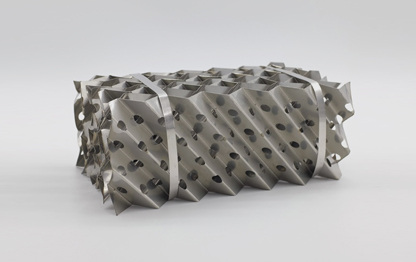
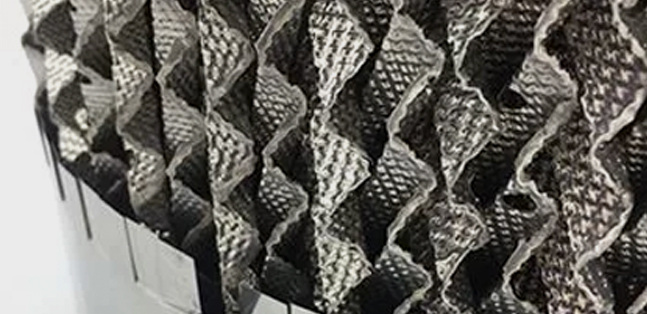
Structured Packing
Supports gas-liquid contact in absorption, regeneration and washing service.
-
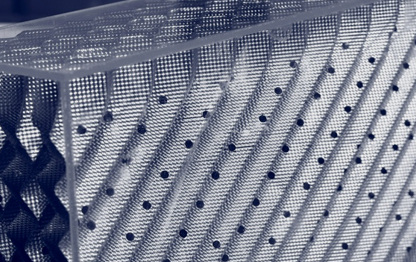
Wire-Mesh Demisters
Used for efficient removal of entrained liquid droplets where high collection efficiency and low pressure drop are required.
-
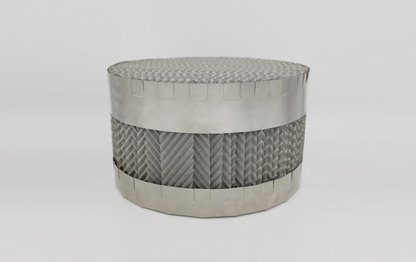
Liquid Distributors
Distribute liquid across the packing bed according to tower diameter and operating load.
-
Vane Mist Eliminators
Selected for higher liquid loading, fouling-sensitive services or duties requiring robust drainage and operating flexibility.
Balance Mass Transfer,
Pressure Drop and
Entrainment Control
CCUS tower internals need to work as one arrangement rather than as isolated components.
-
01

Effective Contact
Match packing and distribution to the absorption or regeneration duty.
-
02

Hydraulic Fit
Review gas and liquid loads against tower diameter, available space and pressure-drop targets.
-
03

Carryover Control
Select mist elimination around droplet loading, solvent service and downstream requirements.
A Practical Path for
New-Build and Retrofit
Internals Projects
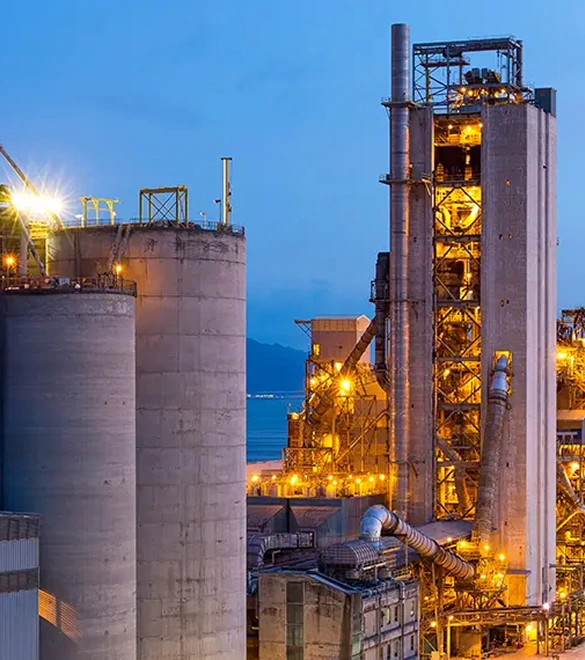
Align the internal arrangement with the tower you are designing or the shell you need to keep.
-
New-Build Projects
Coordinate the internal arrangement with tower dimensions, process loads and maintenance access.
-
Retrofit Projects
Work within the existing shell, support locations, available height and installation constraints.
From Process Conditions
to an Internal Arrangement
Four project discussions turn the design basis into a coordinated internal configuration.
-
Step 01
Share the
Design BasisProcess duty, operating data, solvent and tower geometry.
-
Step 02
Review the
ConstraintsPressure drop, distribution, entrainment, materials and available space.
-
Step 03
Develop the
ConfigurationAlign packing, distributors and mist eliminators with the duty.
-
Step 04
Confirm Project
InterfacesReview dimensions, materials, installation needs and documentation.
Discuss Your Next
Carbon-Capture Project
Whether you are developing a new unit or improving an existing one, discuss your capture duty with our team to identify opportunities in efficiency, pressure drop and solvent management.
Frequently Asked Questions
Start with the process data, tower constraints and separation duty that shape the discussion.
-
What information is needed to discuss a CCUS tower application?
Share the process duty, gas and liquid operating data, solvent, tower dimensions and the main performance constraints.
-
How is a mist-elimination solution selected?
Selection depends on droplet loading, gas and liquid flow rates, solvent service, pressure-drop targets and available space. Wire-mesh and vane-type devices are reviewed against these operating requirements.
-
Can a standard product be selected before process data is available?
Product selection starts with the operating case, tower geometry and required separation duty. Review the process data and project constraints before confirming a suitable internal arrangement.
-
Can SUTONG support both new-build and retrofit tower-internals projects?
Yes. New-build projects coordinate tower dimensions, process loads and maintenance access. Retrofit projects also account for the existing shell, support locations, available height and installation constraints.
-
How are mist carryover and amine emissions controlled?
Wash-section internals support solvent recovery and control of vapor-phase amine. Suitable mist eliminators help remove entrained liquid droplets. The arrangement is reviewed against solvent service and downstream requirements.
